If you’ve ever dealt with old video material, you are probably familiar with the issue known as interlace scanning. Without going into too much detail, here’s a brief explanation. Further technical details can be found, for example, well-structured and thoroughly explained on Wikipedia.
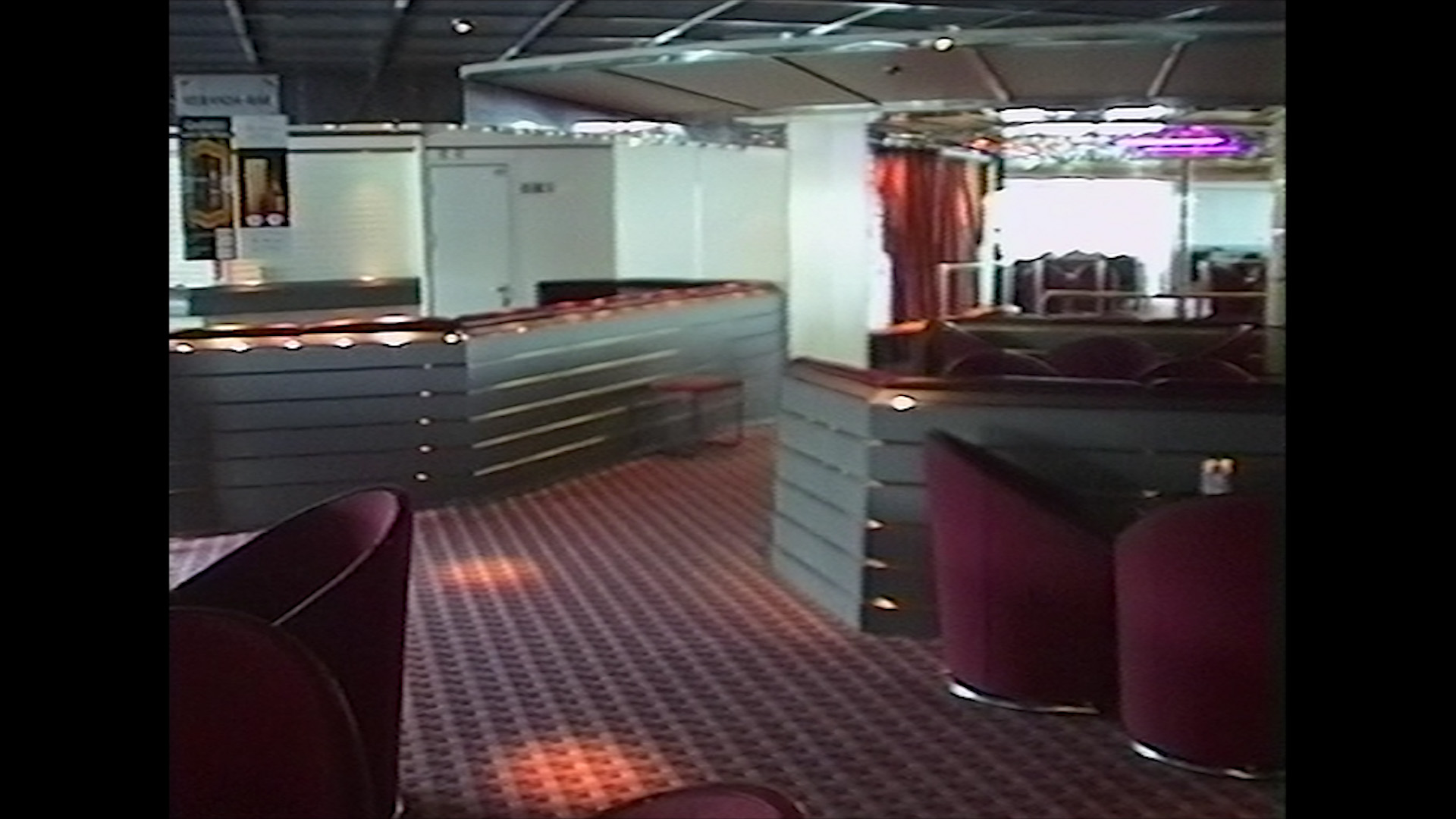
An interlaced video is a format where the image is split into two fields that are displayed in sequence. These fields are referred to as ‘fields’, and the process is called interlacing.

In an interlaced video, the first field displayed is the upper field, which consists of all uneven horizontal lines (lines 1,3,5,7,…), followed by the lower field consisting of all even horizontal lines (lines 2,4,6,8,…). This process is rapidly repeated, typically 50 times per second, to create smooth motion on the screen.

Interlacing was often used in television technology and video to save bandwidth and improve picture quality with limited transmission capacity. Nowadays, progressive video formats are preferred because they provide higher picture quality and are more compatible with modern displays.
That’s where problems begin when you attempt to watch your old interlaced video material on a modern screen typically designed for progressive full images. Depending on the device and playback software, so-called hardware and/or software deinterlacers handle the complicated task of merging the ‘distorted’ fields and displaying them as progressive full images. Modern TVs perform this task differently depending on the model and price class. Playback software on computers accomplishes this through software that merges the images in real time and then displays them progressively on the screen. It would take too long to discuss each possibility and solution from different manufacturers, but the fact remains that real-time deinterlacing works, yet usually not to one’s full satisfaction. This often results in images where the distorted fields can be more or less noticed:
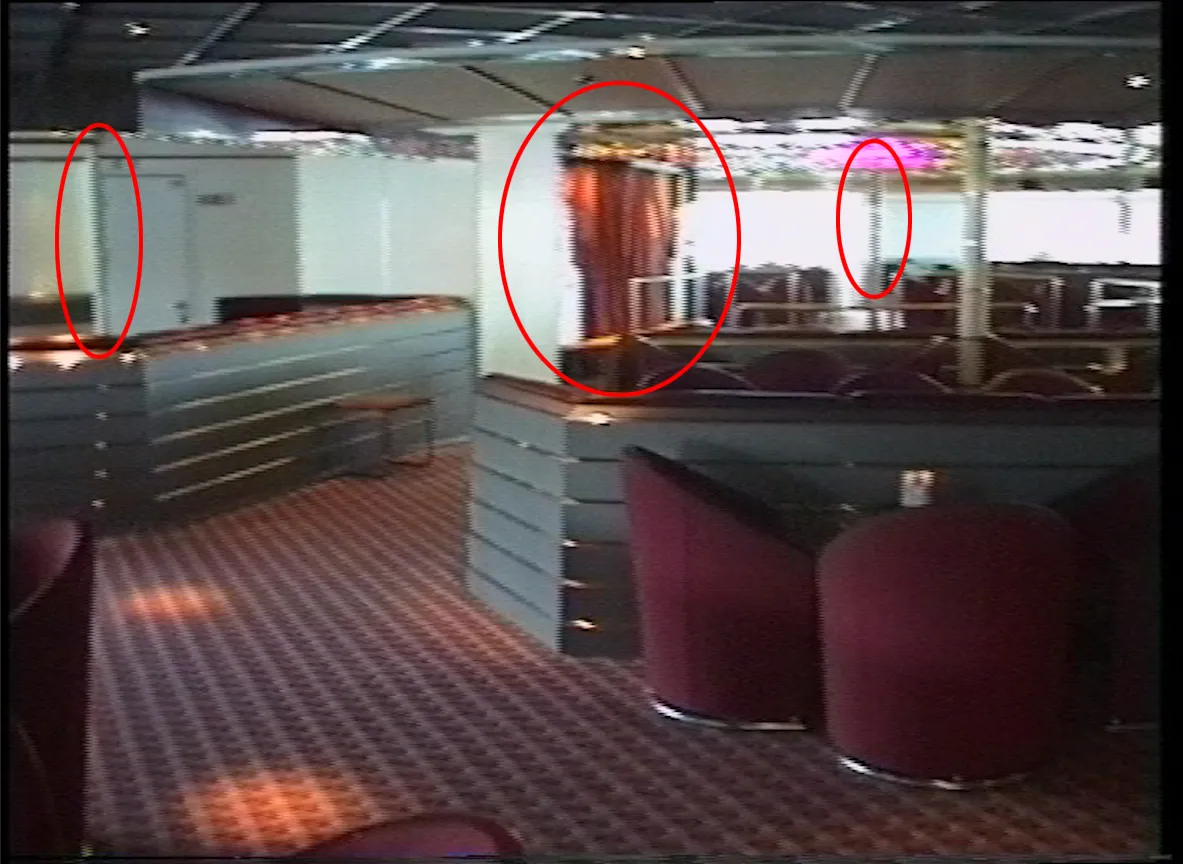
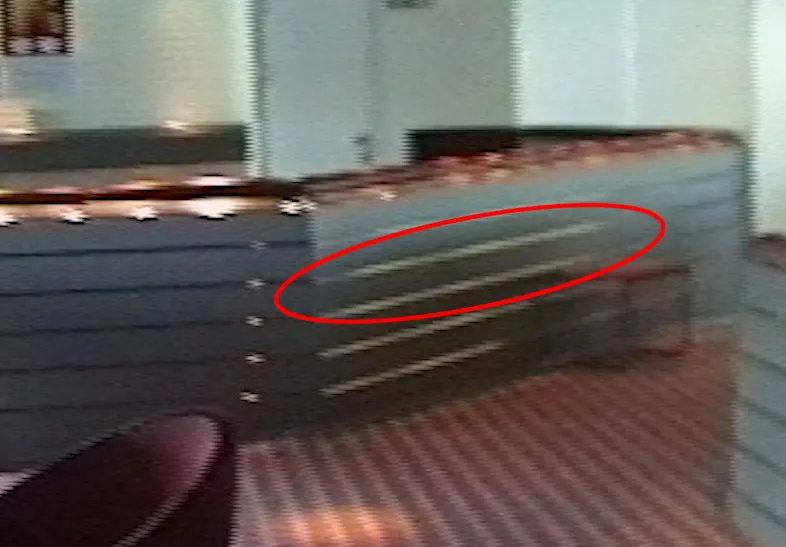
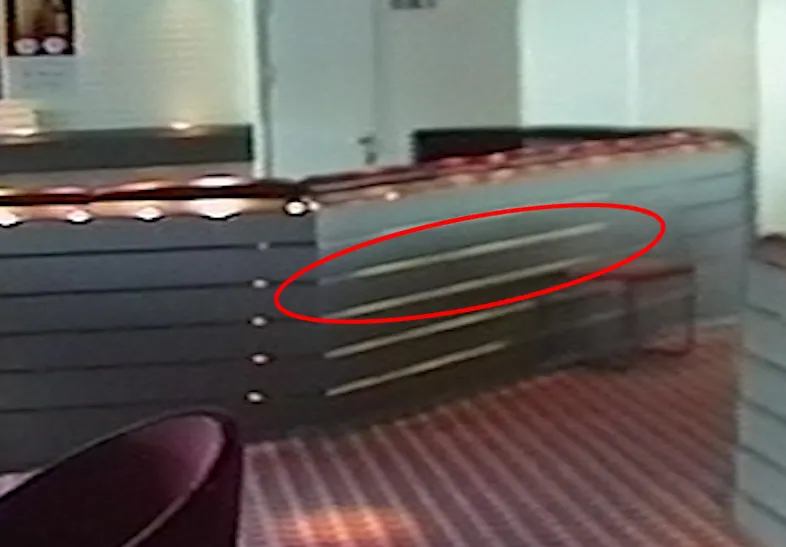
Deinterlacing is thus a process of converting an interlaced video into a progressive video by combining the two fields that comprise the interlaced video. There are different methods of deinterlacing, including the use of algorithms for interpolating missing pixels between the two fields and motion detection to reduce unwanted artifacts like disturbances or blurriness. The lower two images clearly demonstrate the difference that a good deinterlacing process, as we use, brings with it:
Once your videos are cleanly deinterlaced and denoised, the next step is upscaling. In this step, the video is upscaled to FullHD resolution using special calculations. The unclear edges of the videos (as clearly visible in the image below) are masked and cropped during this process, so you ultimately receive a clean, beautiful, high-resolution video that is much more pleasant to watch on modern TVs and PC monitors than the originals.
To illustrate this, here is the comparison between the original video image as we digitize it from your tapes and the final result you receive from us after successful deinterlacing and upscaling. Believe me, the difference is even more pronounced in motion.
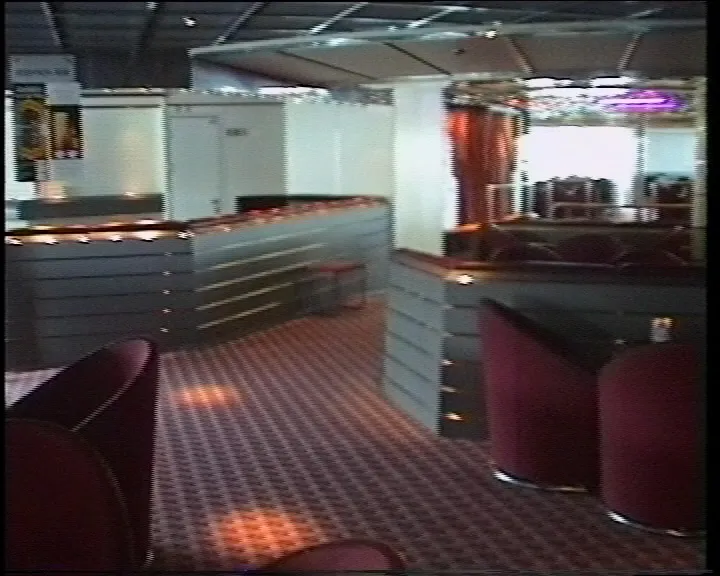
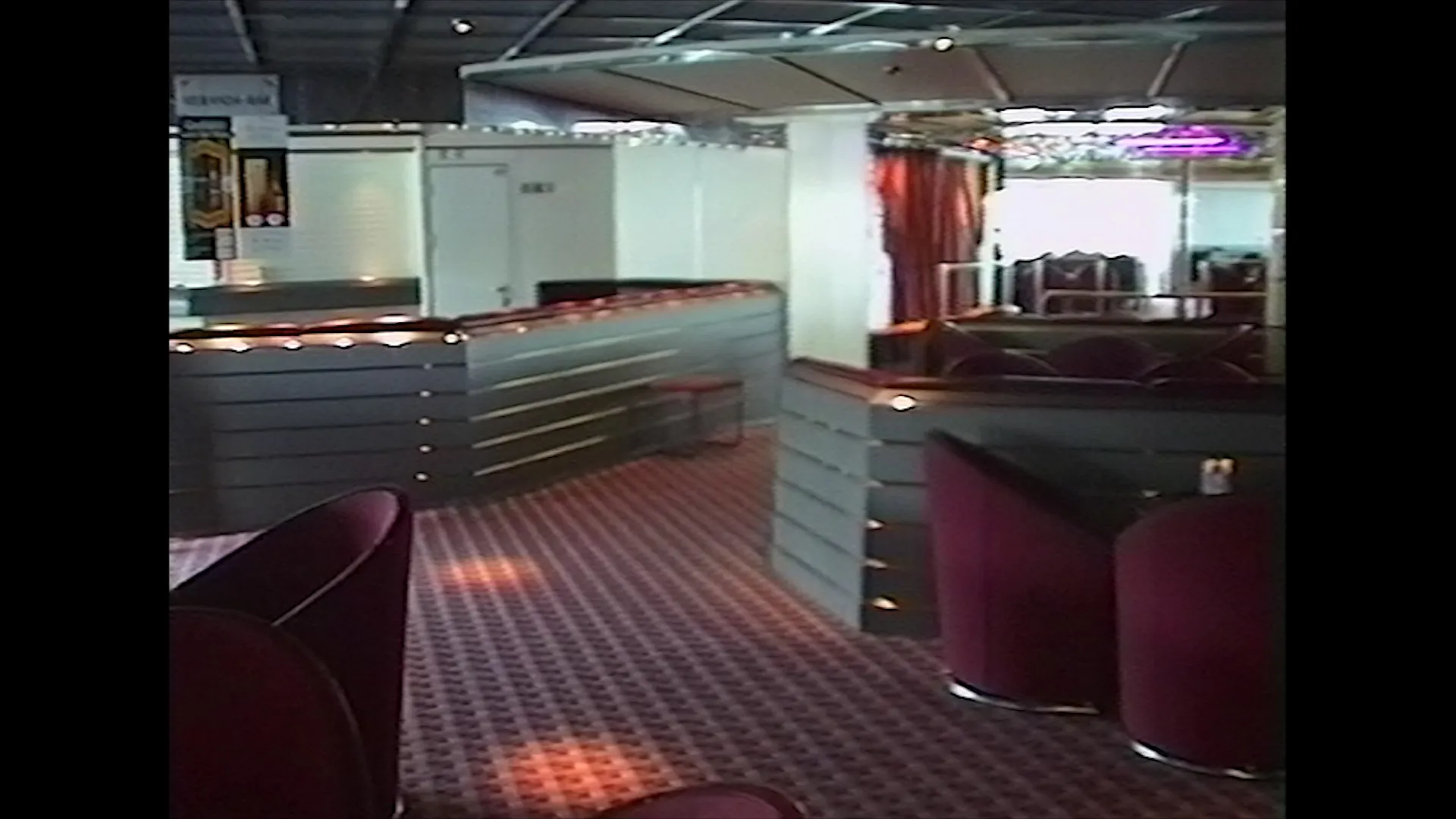
To see the result in motion, you can download the video via the following link: Video FullHD.mp4
Even though the effort is immense for us, we are so convinced by this process that we happily take on this extra effort to deliver your old video recordings to you in truly convincing FullHD resolution.