Today, if you want to view a still image from a video, you can simply pause the playback and view the image for hours on your monitor or TV without any risks. How wonderful…
In the past, during the era of film and projection, this was of course also possible by simply stopping the projector while the lamp was still burning.
In this way, the still image could also be viewed on the screen. However, with the drastic difference that the usually very bright and very hot projector lamp
caused the stopped film to heat up quickly. This led to the film beginning to melt from the heat, resulting in the formation of burn holes.
That was unfortunate…
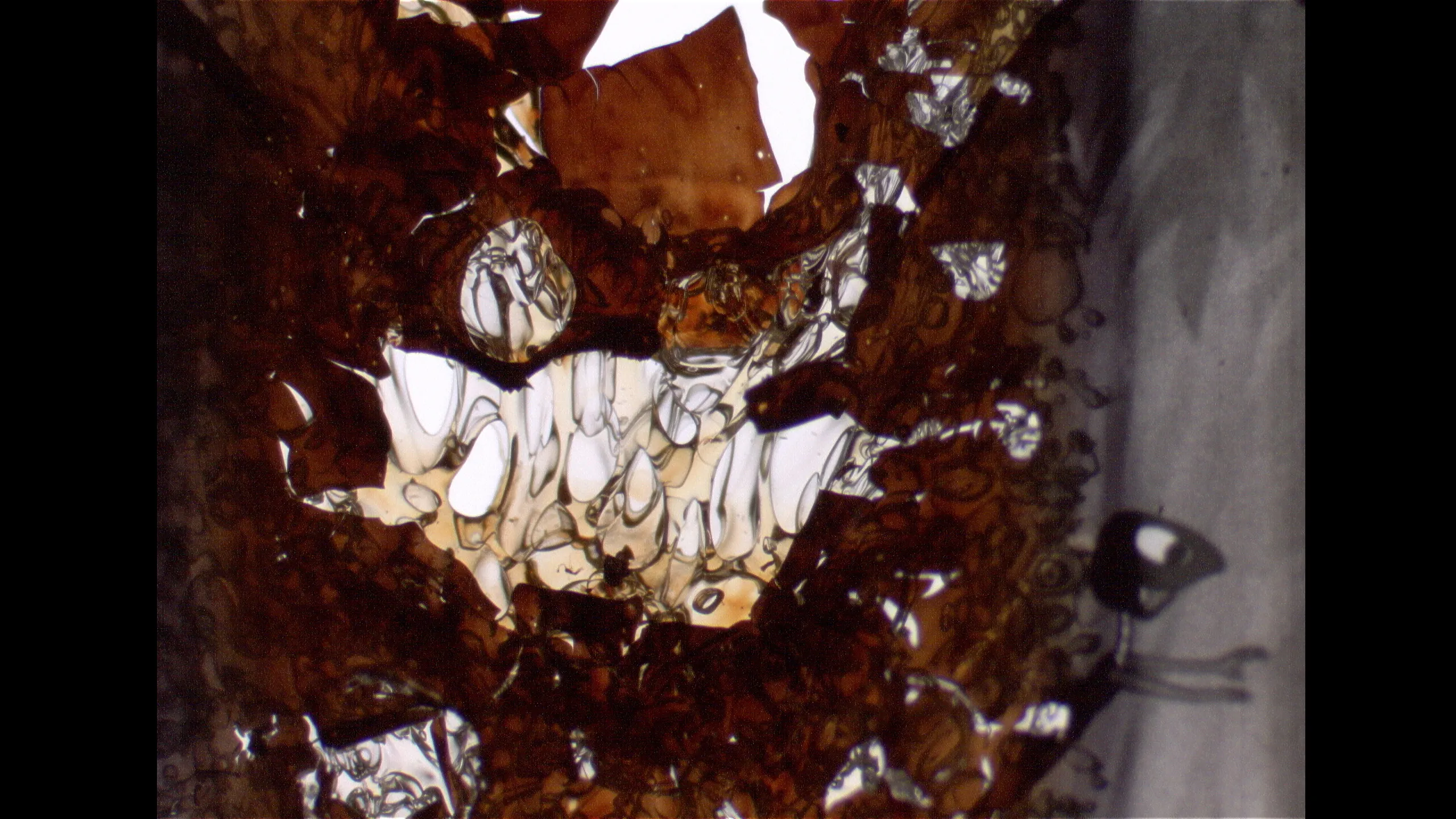
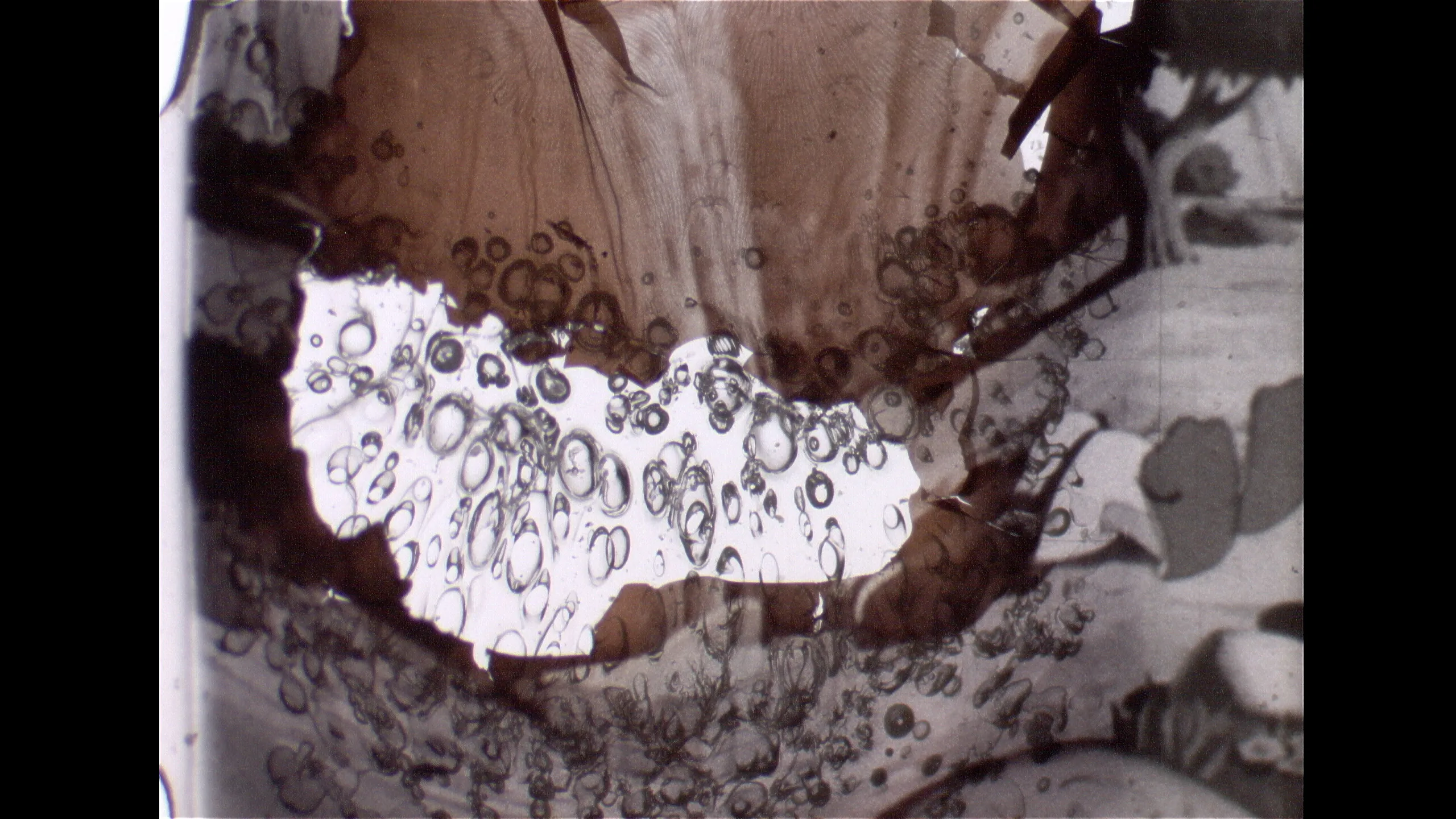
Back then, when films had a different chemical composition, the emulsion layer could even catch fire quickly, leading to
the total destruction of cinemas and theaters. The Super 8 films and 16mm films used privately were therefore manufactured with a
fire-resistant protective layer (the so-called “Safety Film,” often seen on packaging or the films themselves) to mitigate the fire risk.
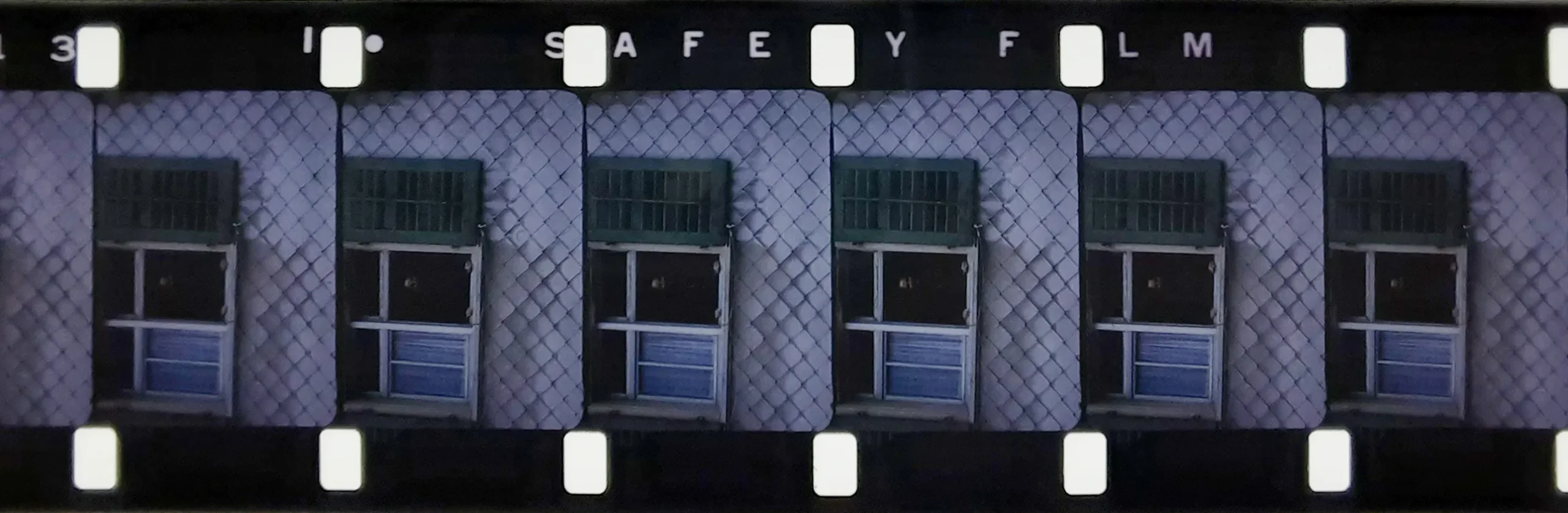
The base material could still melt, leading to these holes or even film tears.
Depending on your perspective, these burn holes can be seen as beautiful or disturbing. Such film defects are often used in film art as a stylistic device.
We can guarantee that your films will not suffer any damage in our scanners due to the use of cold light sources.