How wonderful it is to lose oneself in memories, watching the old Super 8 times in new freshness on the TV or PC with family, friends, acquaintances, or relatives. Although, “new freshness” unfortunately does not apply to every film.
Unfortunately, we are increasingly finding that particularly films from the 1980s show spots that cannot be removed by regular cleaning methods. This means that spongy, brown/gray spots join the film enjoyment, which can somewhat dampen the joy of the film (in our view). Previously, we transferred films with spots, which were then clearly visible and very disturbing in the digital data.
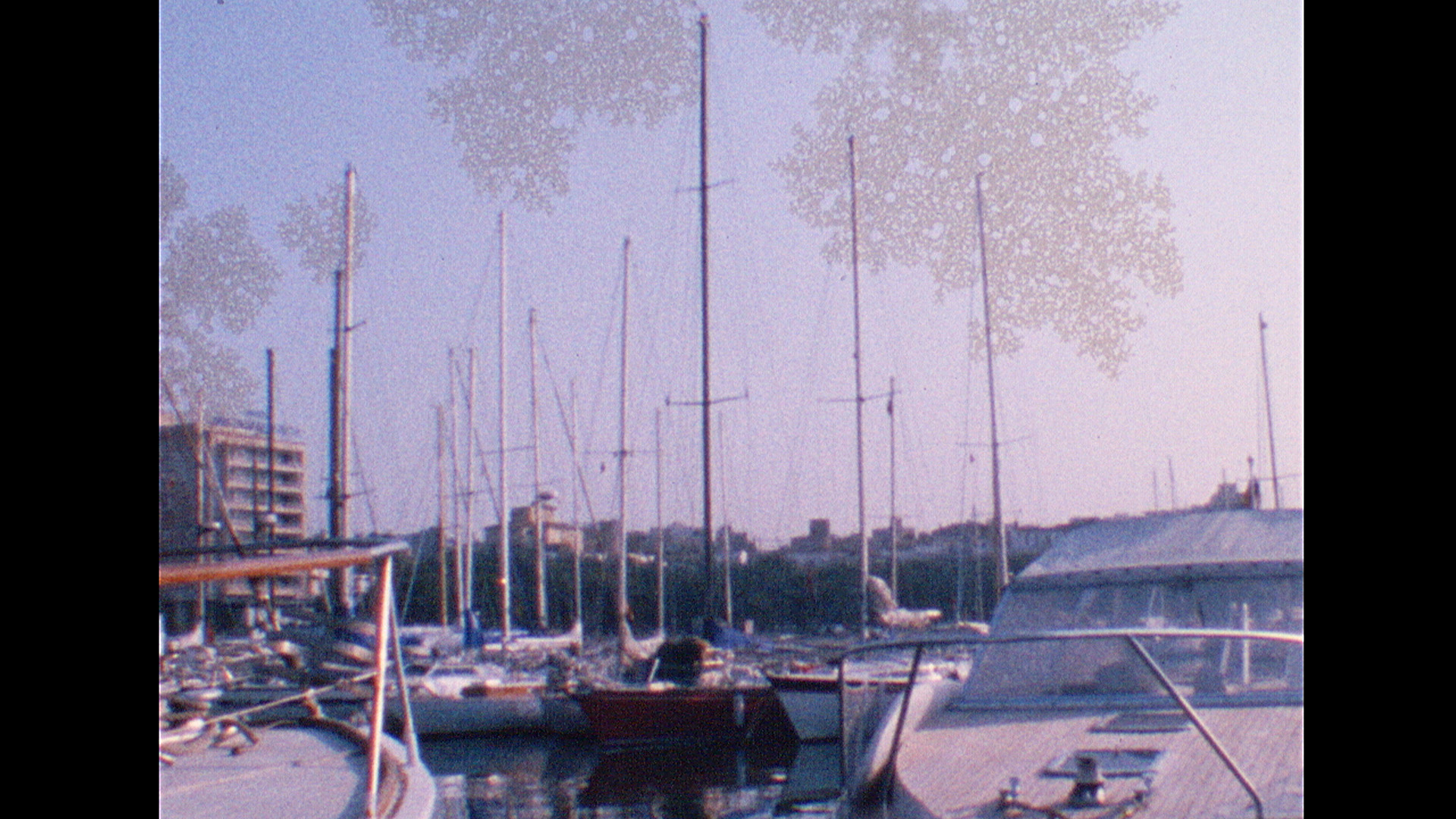

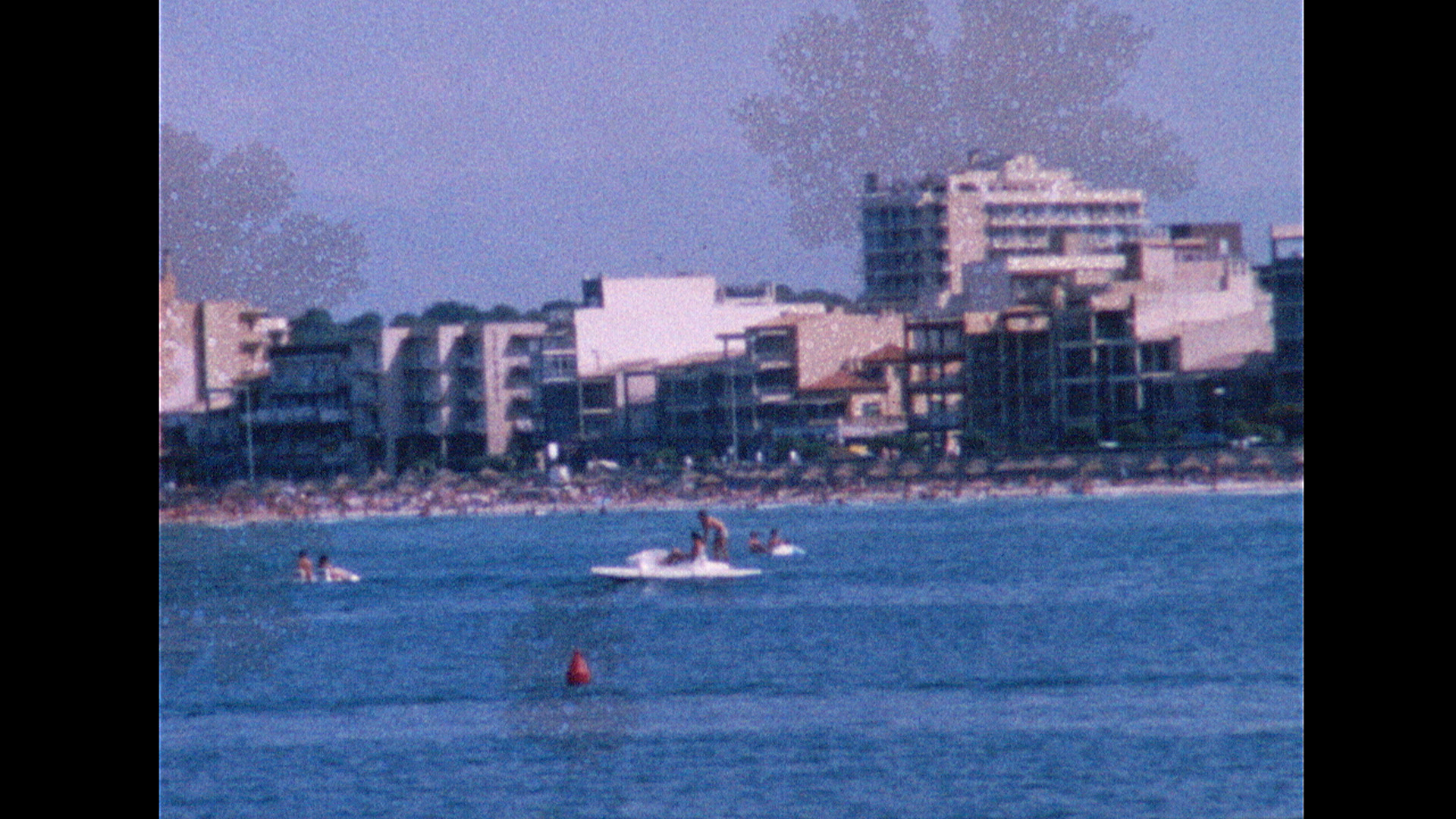
We have now developed a method to reduce these spots so much that they are practically no longer visible on the digitized files. The time investment for this is relatively large, but in our view, the result is worth the effort.
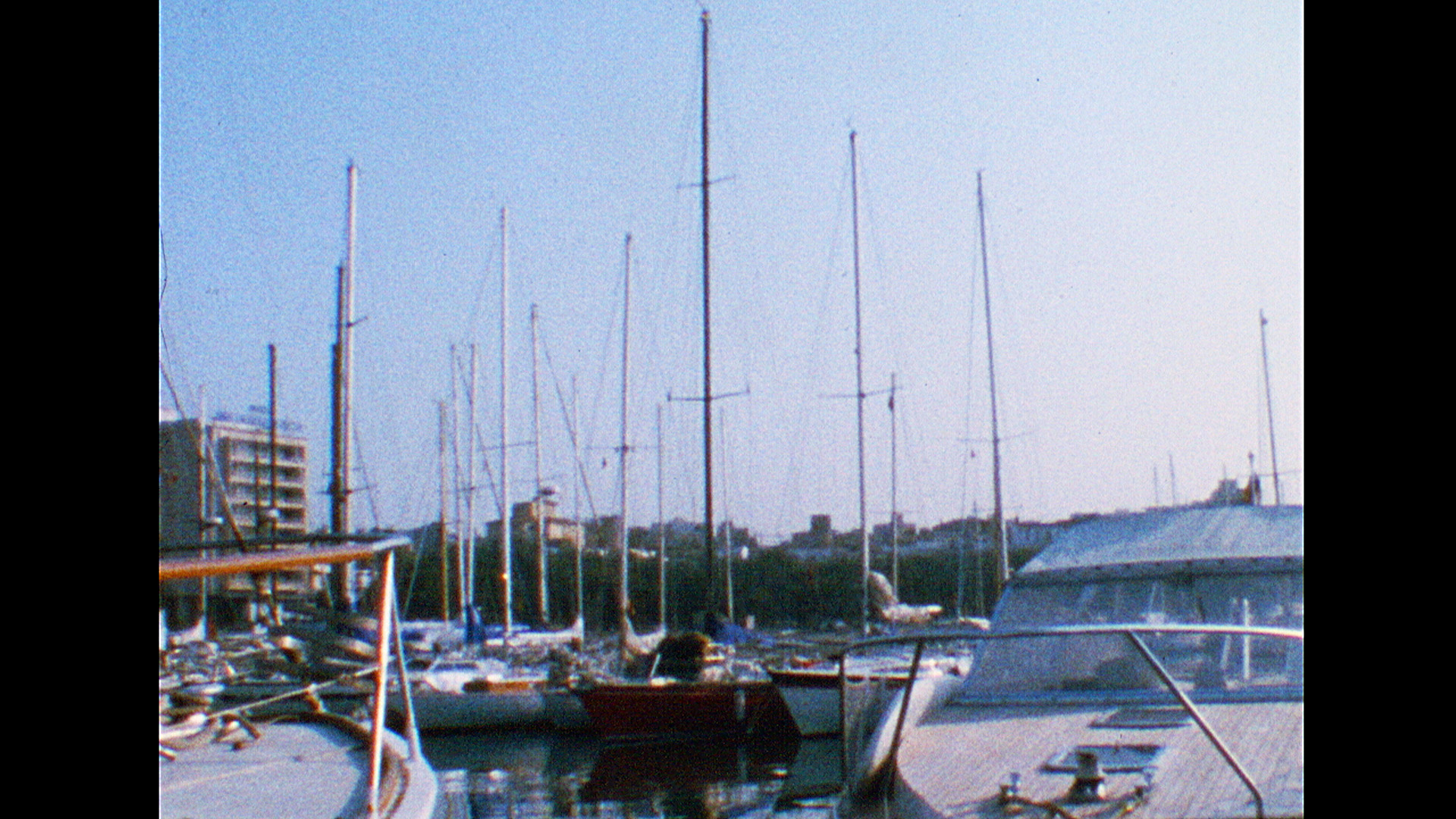

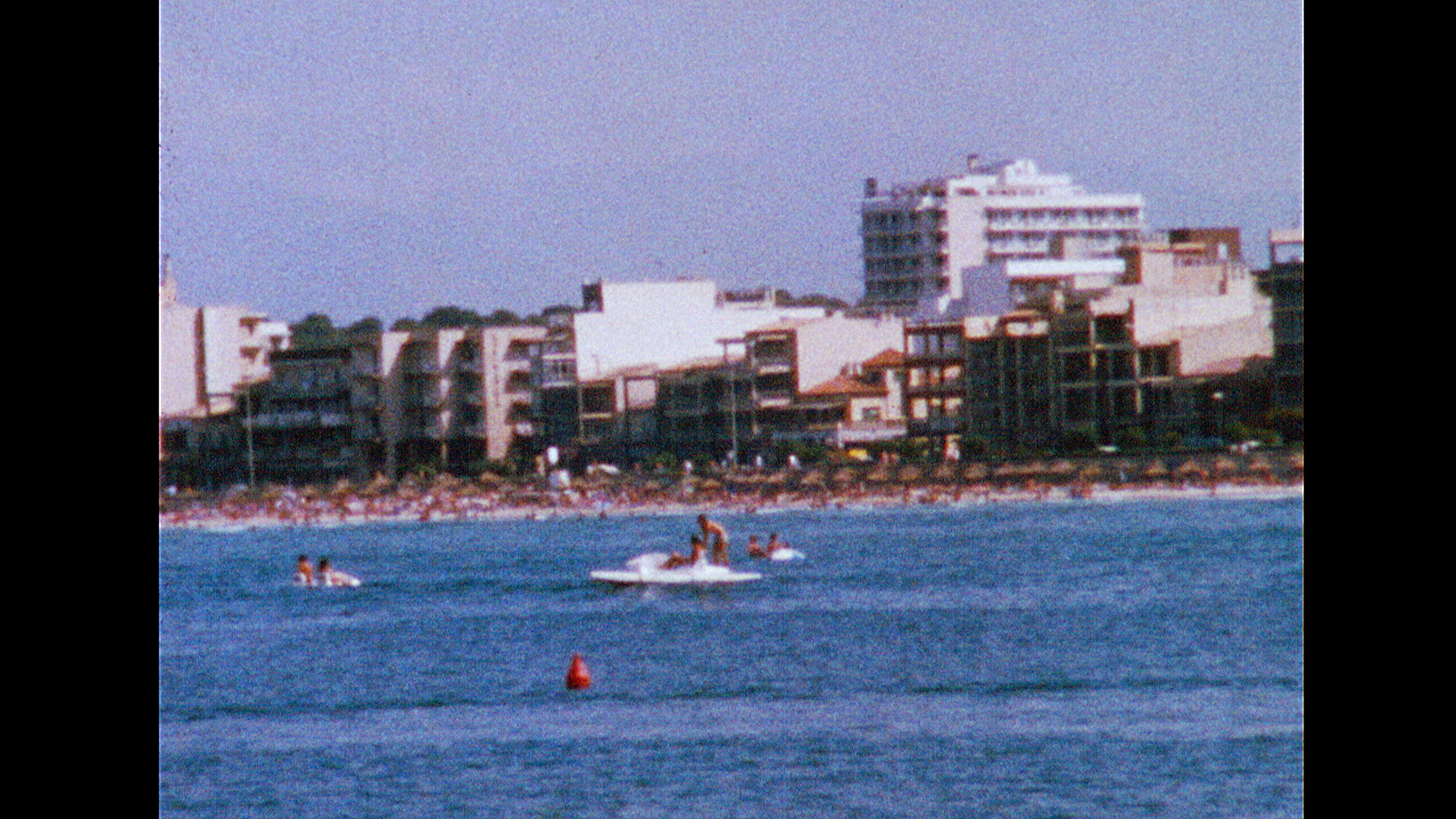
This emulsion damage is generally due to low-quality development and/or poor developer solutions. As an example, Agfa Moviechrome 40 can be mentioned here, a reasonably priced film from the 80s, for which one unfortunately “pays its price” today… Every Moviechrome 40 film we transfer is affected by this damage. Some more, some less. Rarely, films from other manufacturers (such as Kodak, Fuji, etc.) also show these spots, but Agfa’s Moviechrome 40 is a guaranteed case for special treatment.
If it’s only a few meters long, we don’t charge any additional costs. If it’s entire film reels, we will inform you about the additional costs. You can then decide whether it is worth it to you or whether you can live with the spots.
Therefore, our tip: check your films and don’t wait too long with the digitization. Even if film is generally considered very robust and long-lasting… you never know when an aging process will begin that can visibly deteriorate your films.